PolicyExplainer
Right to repair, explained: what changes when the rules arrive
Repair laws are spreading, but they don't all say the same thing. Here's what they usually cover, what they leave out, and what to ask before you buy.

· 2 min read
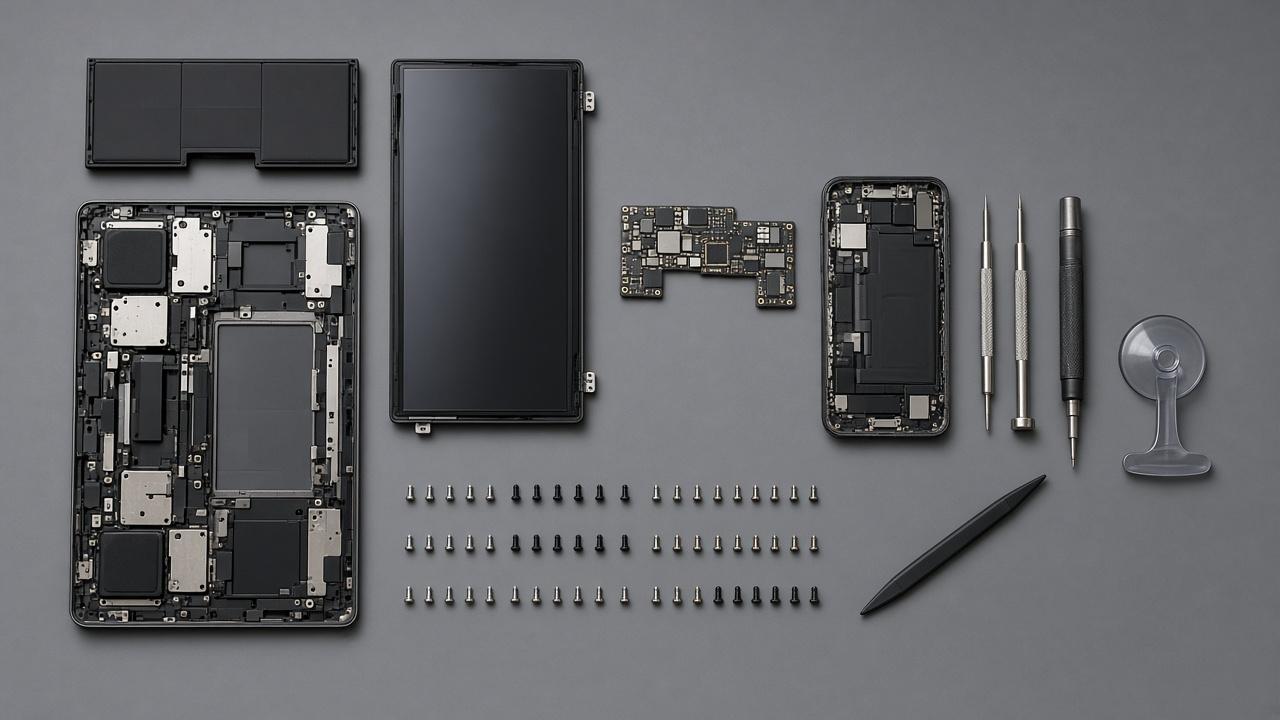
“Right to repair” sounds like one rule. It’s really a family of them, and the details vary a lot depending on where you live and what you own. Here’s a plain-language guide to what these laws typically do.
What is right to repair?
The idea is simple: if you own something, you should be able to fix it, or pay someone else to. In practice, that means manufacturers have to make three things available: parts, tools, and information such as repair manuals and diagnostic software.
Without those, even a skilled repair shop can’t do much. The parts may be sold only to authorized dealers. The software that checks a repair may be locked.
What do the rules usually cover?
Most repair laws start with consumer electronics: phones, tablets, and laptops. Some extend to home appliances. A few cover farm equipment or wheelchairs. Cars are often handled separately.
Typical requirements include:
- Selling spare parts to owners and independent shops at fair prices
- Publishing repair manuals
- Keeping parts available for a set number of years after a product is discontinued
- Not disabling features when a part is replaced
What do they leave out?
Plenty. Many laws exempt products sold before the law took effect. Some let manufacturers keep security-related parts restricted. And most don’t require products to be designed to be repairable. A phone with a glued-in battery can still comply if the company sells the glue.
A repair law can guarantee you can buy the part. It can’t guarantee you can get the old one out.
Does part pairing still happen?
Sometimes. Pairing is when a part is linked to a specific device at the factory. Some rules limit it; others don’t mention it. Read the fine print, and ask a local repair shop. They’ll know which devices give them trouble.
What should you ask before you buy?
- How long will the manufacturer sell spare parts?
- Is there a public repair manual?
- Can an independent shop replace the battery without a warning message?
- How long will the device get software updates?
The answers say more about how long a product will last than any spec sheet.
- repair
- regulation
- consumers